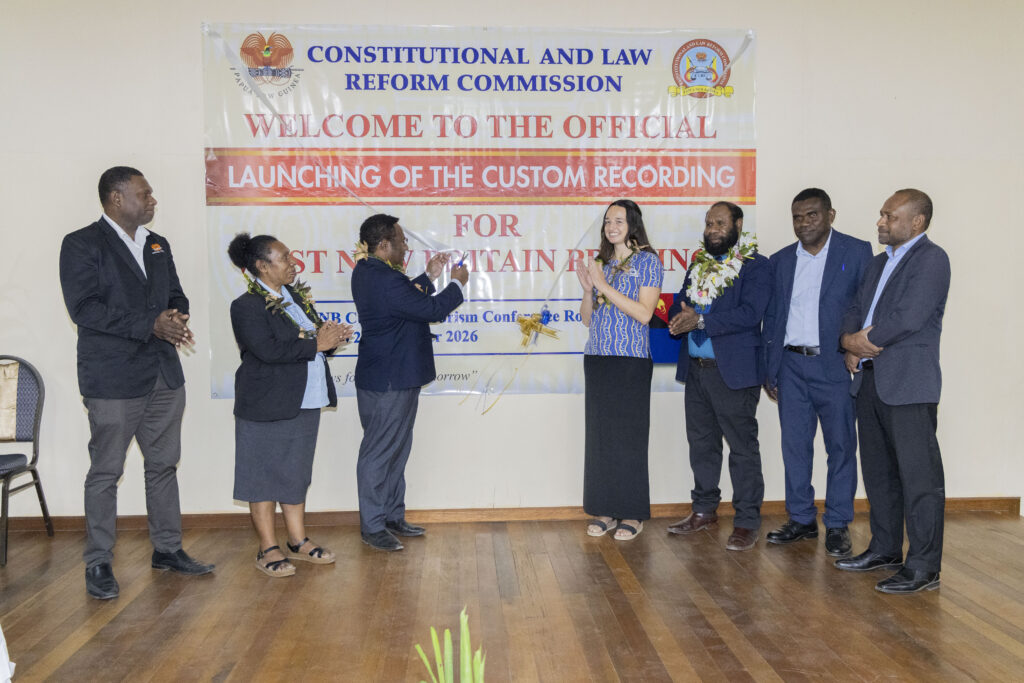
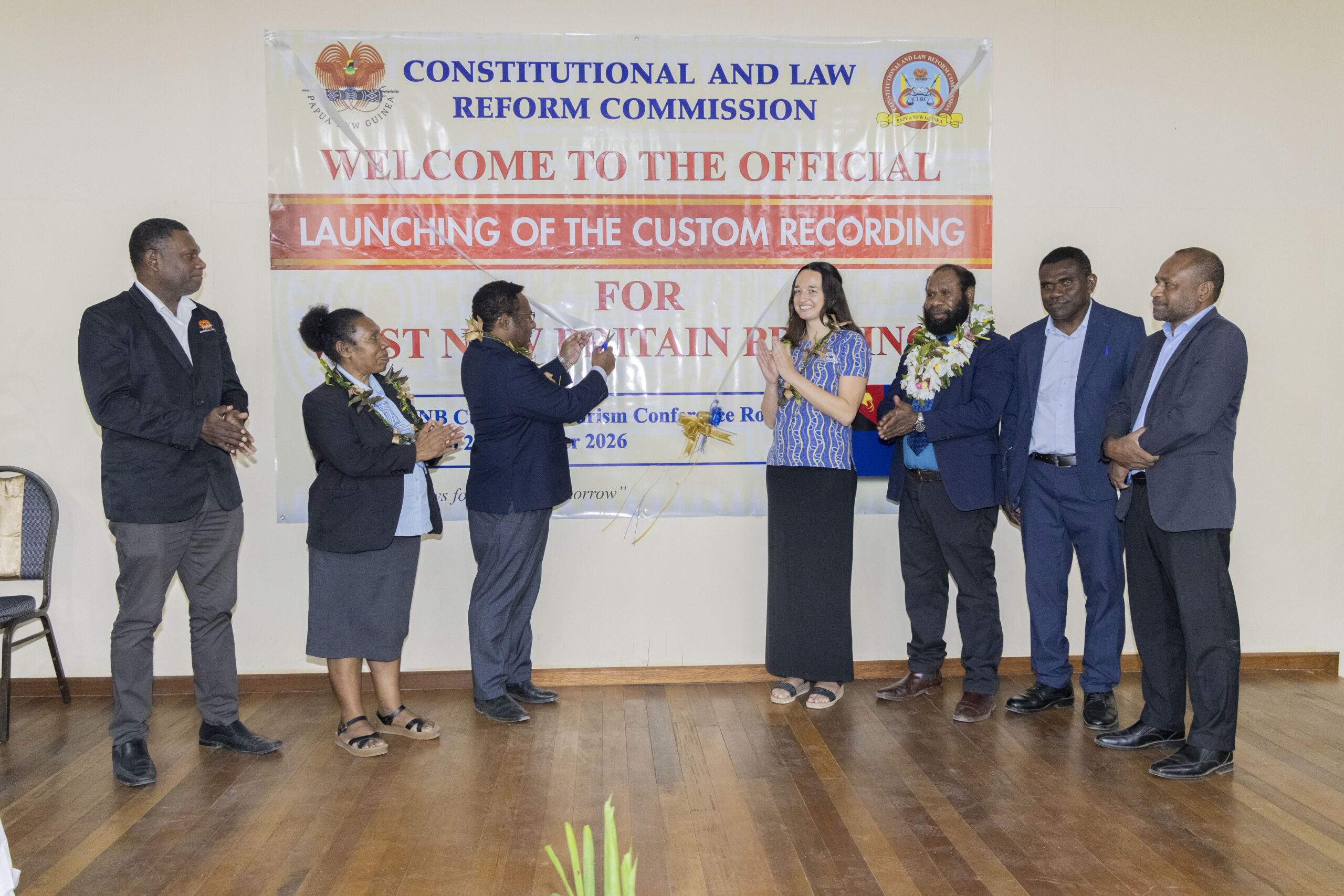
The Constitutional and Law Reform Commission (CLRC) has officially launched its Custom Recording Exercise in West New Britain Province, marking the third province to be covered under the Commission’s Underlying Law programme to document and preserve customary laws and practices across Papua New Guinea.
The exercise, launched at the West New Britain Tavur Centre, will see CLRC officers engage participants from six language groups during the first batch of the recording programme.
The six language groups are the Uenaka, Munduapa, Garowe and Bulu language groups in Talasea District, and the Bileki and Wau/Apsokok language groups in Nakanai District.
West New Britain has 34 identified language groups across its three districts. CLRC has previously recorded the customs for the Bola Language Group, leaving 33 language groups to be covered under the remaining programme for the province.
The Commission plans to undertake the recording in four batches, with the remaining 27 language groups, to be covered through the remaining batches in 2027. CLRC aims to complete the recording of the remaining customs of West New Britain by mid-2027.
Speaking at the official launch, CLRC Secretary Dr. Mange Matui said the custom recording exercise forms part of the Commission’s special responsibility to monitor and support the development of the Underlying Law of Papua New Guinea.
“While the Constitutional and Law Reform Commission has a broad mandate to law review and reform the laws of Papua New Guinea, the Commission also has a specific and important constitutional responsibility in relation to the development of the Underlying Law of Papua New Guinea,” Dr Matui said.
Section 12 of the Constitutional and Law Reform Commission Act 2004 provides for CLRC to monitor the development of the Underlying Law of Papua New Guinea in accordance with Schedule 2 of the Constitution. The Underlying Law Act 2000 also provides the framework for the development and application of the Underlying Law.
Dr Matui said the custom recording programme is not an ad hoc undertaking but was guided by the Commission’s Underlying Law Research and Monitoring Strategy and Action Plan 2021–2031.
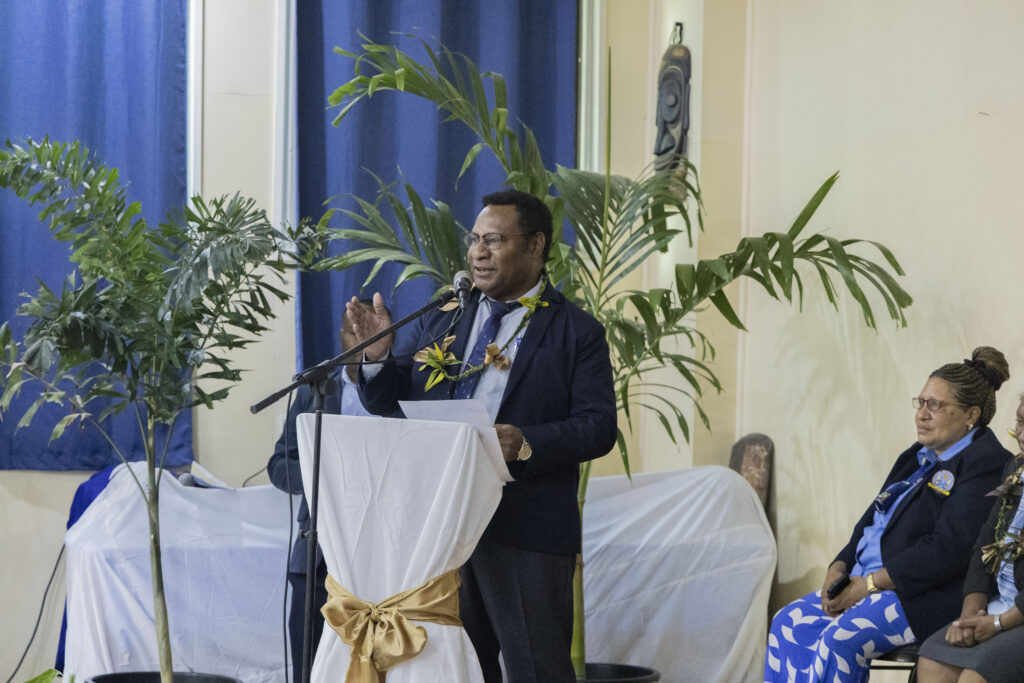
He also highlighted the importance of the Fifth National Goal and Directive Principle, “Papua New Guinean Ways,” and the vision of the Constitutional Planning Committee in developing a home-grown Constitution suited to the country’s circumstances and aspirations.
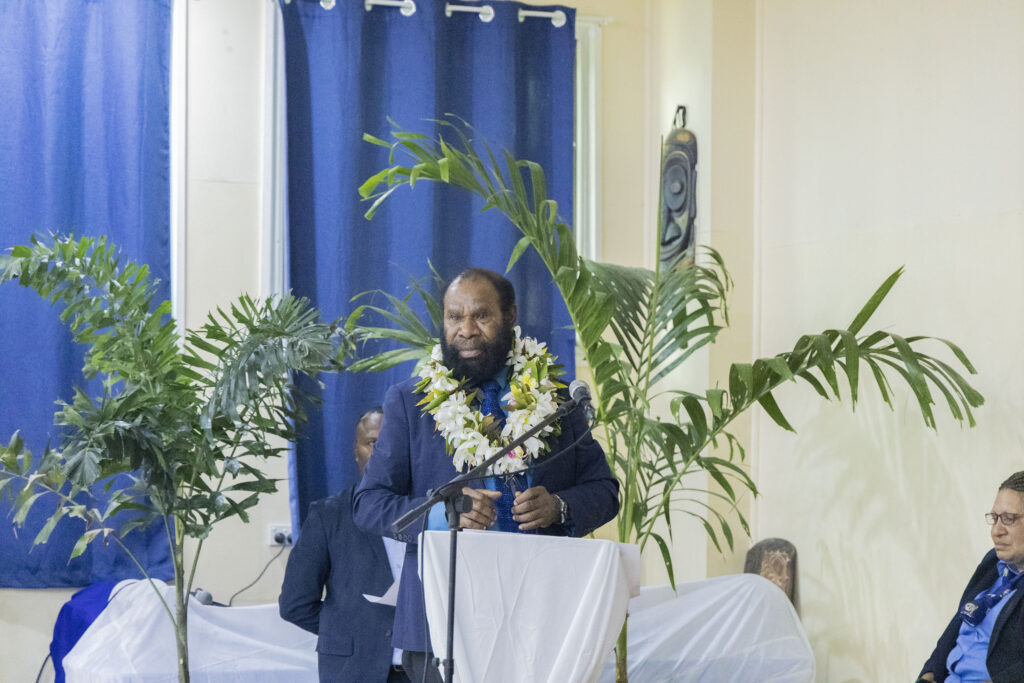
West New Britain Provincial Administrator Mr. Leo Mapmani welcomed the initiative and reaffirmed the provincial government’s support to CLRC over the two weeks of custom recording.
The programme began in Central Province, where CLRC completed the recording of customs from 34 language groups in 2025. The exercise was subsequently undertaken in Jiwaka Province, covering its four main language groups and completed in 2026.
West New Britain is now the third province to undergo comprehensive custom recording.
The Commission undertook preparatory visits to West New Britain in 2025 and 2026, including consultations with the West New Britain Provincial Government, relevant agencies and identified participants.
CLRC also conducted desktop research using information and reports from the Summer Institute of Linguistics (SIL) to assist in establishing the number of language groups in the province.
The current recording exercise will run from the 08th to 23rd October 2026, with the substantive interviews expected to be completed within approximately two weeks. The information collected will then undergo verification and vetting by the Commission before being compiled into formal reports.
The completed documentation will contribute to CLRC’s monitoring of the development of the Underlying Law and provide a resource for legal practitioners, researchers, academics and the courts where customary principles are relevant to the development and application of law.
The West New Britain Custom Recording Exercise is being undertaken as a joint project between CLRC and the Australia–Papua New Guinea Law and Justice Partnership (APLJ).
CLRC acknowledged the support of APLJ, the West New Britain Provincial Government, relevant government agencies, traditional and community leaders, and the participants who will contribute their knowledge and experiences to the exercise.
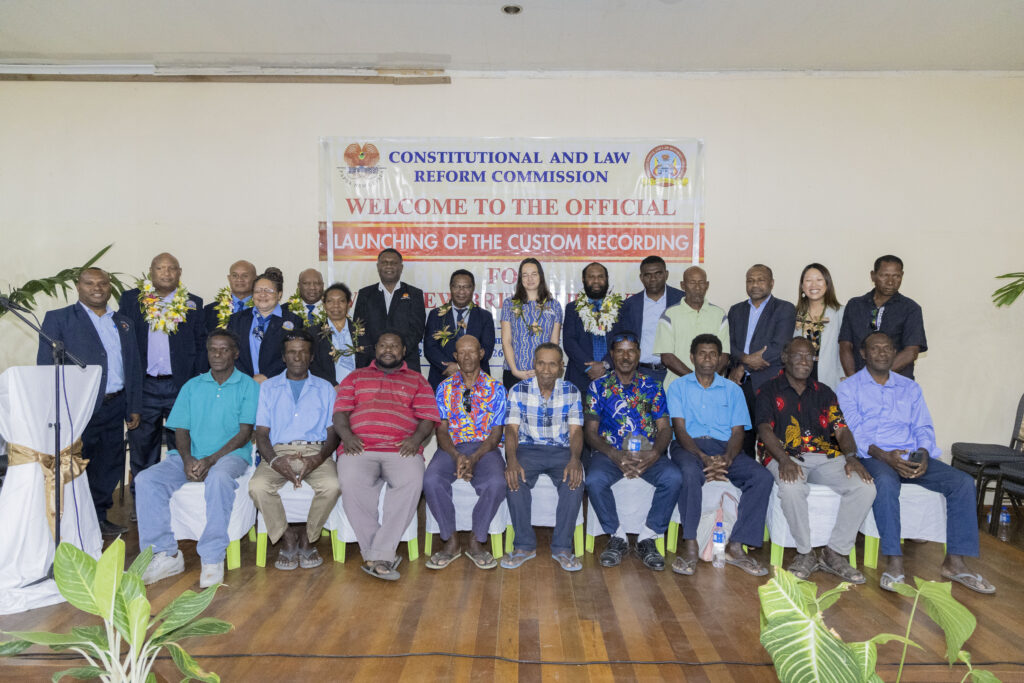
The Commission said the successful completion of the West New Britain programme will contribute to its broader national objective of progressively documenting customary laws and practices across all 22 provinces of Papua New Guinea and strengthening the foundation for the continuing development of the country’s Underlying Law.